


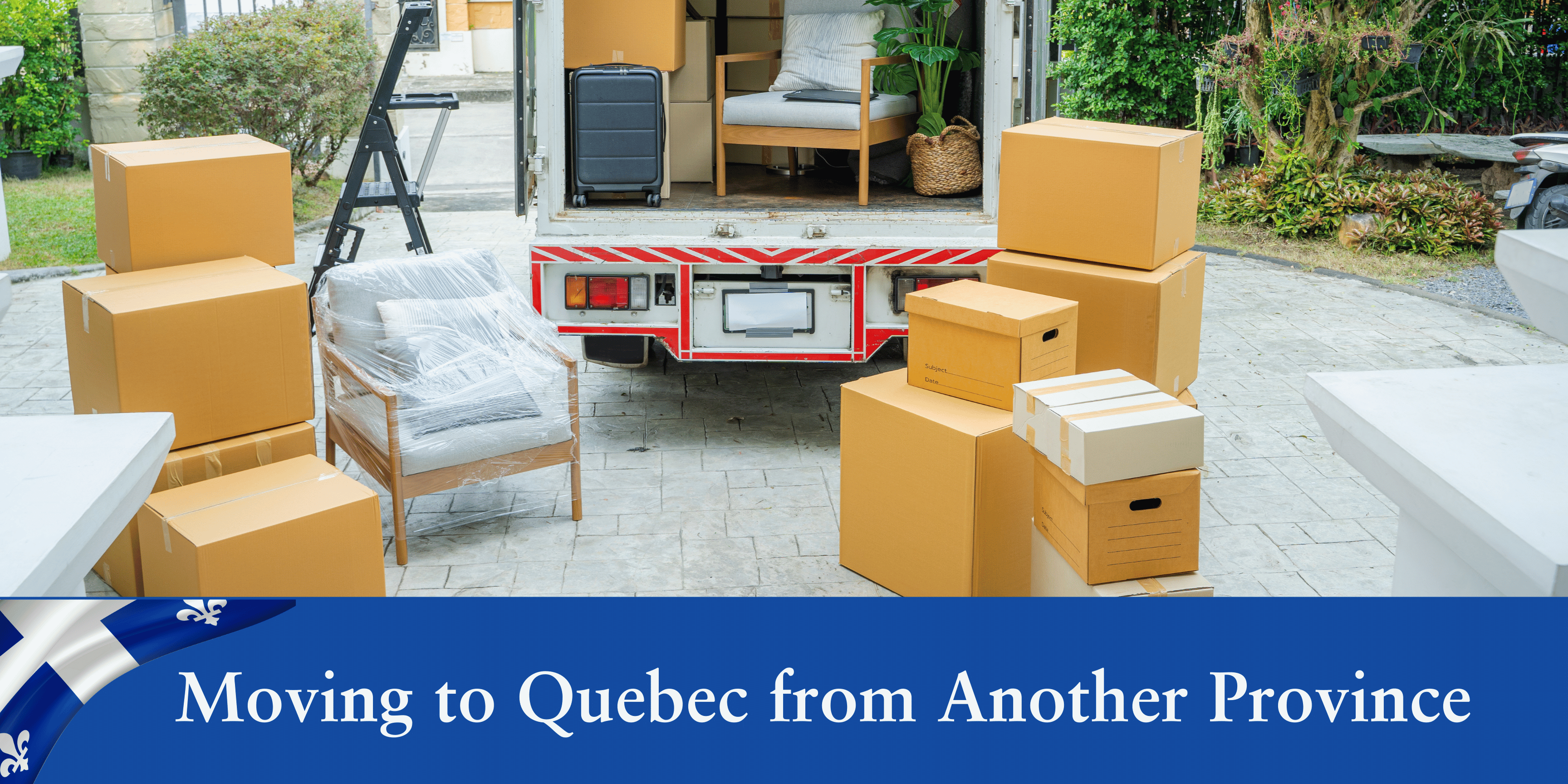

Relocating to Quebec from another Canadian province is an exciting opportunity, but it also comes with important decisions and planning. Whether you’re moving from Ontario, Alberta, British Columbia, or another province, understanding Quebec’s housing market, healthcare system, legal requirements, and day-to-day lifestyle before you arrive can make your transition much smoother.
I’m Alp Perez, a Montreal real estate broker based in the Greater Montreal area. Over the years, I’ve worked with buyers relocating from across Canada, helping them navigate not only the home-buying process but also the many practical questions that come with moving to a new province. Throughout this guide, I’ll share both official information and practical advice based on what I’ve learned helping clients successfully relocate to Quebec.
Every year, thousands of Canadians choose Quebec as their new home. Some are attracted by more affordable real estate, while others relocate for employment, education, family, or simply a different quality of life. Montreal continues to be one of Canada’s most dynamic cities, while surrounding communities such as Laval, Longueuil, Brossard, Terrebonne, and Repentigny offer excellent alternatives for buyers looking for more space or different lifestyles.
Unlike moving between many other provinces, relocating to Quebec involves several unique considerations. You’ll need to register for provincial healthcare, exchange your driver’s licence, understand Quebec’s home-buying process, and become familiar with provincial taxes and regulations. If you’re planning to purchase a property, you’ll also encounter concepts such as the Welcome Tax, notary services, and condo fees—topics that may be unfamiliar if you’ve never purchased real estate in Quebec.
This guide has been created to answer the most common questions people ask before moving to Quebec. Rather than simply listing government websites, it explains what you should expect before, during, and after your move while providing practical advice that can help you avoid common mistakes and make informed decisions.
Whether your goal is to rent your first apartment, buy a family home, relocate for work, or simply understand what life in Quebec is really like, this guide will help you prepare for each stage of the relocation process.
Why Are So Many Canadians Moving to Quebec?
Over the past decade, Quebec has become an increasingly popular destination for Canadians relocating from other provinces. While everyone’s reasons for moving are different, several factors consistently influence the decision.
More Affordable Housing
For many newcomers, housing is the biggest motivation.
Compared to some of Canada’s most expensive real estate markets, many parts of Quebec continue to offer excellent value. Buyers relocating from cities such as Toronto or Vancouver are often surprised by the amount of living space they can purchase for a similar budget.
Of course, prices vary significantly depending on the municipality. Montreal remains the province’s largest and most competitive market, while nearby cities such as Longueuil, Terrebonne, Repentigny often provide larger properties, newer developments, or lower entry prices.
When comparing housing costs, remember to consider more than just the purchase price. Property taxes, condominium fees, commuting costs, and future resale value all play an important role in determining the true cost of homeownership.
Advice from Alp Perez, Montreal Real Estate Broker
One of the biggest mistakes I see buyers make when relocating to Quebec is focusing almost entirely on listing prices.
After helping many families move to Quebec, I’ve learned that the right neighbourhood is usually more important than finding the lowest purchase price. A property that appears less expensive can quickly become more costly if it comes with high condominium fees, a long daily commute, limited public transportation, or expensive maintenance.
Before making an offer, I always recommend visiting the neighbourhood at different times of the day, driving the commute to work if possible, exploring nearby amenities, and thinking about the property’s long-term resale potential. Those factors often have a much greater impact on your quality of life than saving a few thousand dollars on the purchase price.
Career Opportunities
Quebec has one of Canada’s most diversified economies.
Major industries include:
- Aerospace
- Artificial Intelligence
- Information Technology
- Finance
- Healthcare
- Manufacturing
- Construction
- Transportation
- Video Game Development
Montreal is home to many international corporations, research centres, and technology companies, making it an attractive destination for professionals across many industries. Smaller cities throughout Quebec also continue to experience economic growth, creating employment opportunities outside the Montreal metropolitan area.
Before relocating, research employment opportunities within your field and consider commute times if you plan to work in a major urban centre.
Quality of Life
Many people choose Quebec because it offers an excellent balance between urban living, outdoor recreation, and cultural experiences.
Residents enjoy:
- Extensive parks and green spaces
- World-class restaurants
- Festivals throughout the year
- Cycling paths
- Ski resorts and outdoor recreation
- Museums and cultural events
- Efficient public transportation in major cities
Whether you prefer downtown living or quieter suburban communities, Quebec offers a wide range of lifestyle options.
Education
Families moving to Quebec benefit from a well-established education system that includes both French-language and English-language schools, depending on eligibility.
The province is also home to internationally recognized institutions such as McGill University, Concordia University, Université de Montréal, and Université Laval.
If you’re relocating with children, researching school catchment areas before purchasing a home should be an important part of your planning process.
Healthcare
Healthcare is another important consideration when moving to Quebec.
Once you establish residency, you’ll need to register for the Régie de l’assurance maladie du Québec (RAMQ) to access provincial healthcare coverage. Depending on the province you’re moving from, a waiting period may apply before your new coverage becomes effective.
Later in this guide, I’ll explain the registration process, required documents, and practical steps that can help make your transition as smooth as possible.
Before You Move
A successful move begins long before moving day.
Planning ahead not only reduces stress but also helps avoid unnecessary expenses and delays once you arrive.
Before relocating, take time to:
- Research the communities you’re considering.
- Compare the cost of living with your current province.
- Decide whether renting or buying is the better option.
- Prepare a realistic moving budget.
- Gather important identification and financial documents.
- Book your moving company well in advance.
- Notify banks, insurance providers, employers, and government agencies of your address change.
The more organized you are before your move, the easier it will be to settle into your new home and begin enjoying everything Quebec has to offer.
Finding the Right Place to Live in Quebec
Finding the right home is one of the most important decisions you’ll make when moving to Quebec. While many people begin by comparing listing prices, choosing the right neighbourhood, understanding the local housing market, and deciding whether to rent or buy can have a much greater impact on your long-term satisfaction.
Every city and neighbourhood offers a different lifestyle. Some areas are ideal for young professionals who want quick access to downtown Montreal, while others appeal to families looking for larger homes, quieter streets, and highly rated schools. Before signing a lease or making an offer on a property, take time to understand what each community has to offer.
Should You Rent or Buy?
One of the first decisions you’ll need to make is whether to rent a home or purchase one immediately after moving to Quebec.
There isn’t a single correct answer. The best option depends on your financial situation, your familiarity with the province, and how long you expect to stay.
Renting First
Renting can be an excellent choice if:
- You’re unfamiliar with the area.
- You’re relocating for a new job.
- You haven’t decided which city or neighbourhood best suits your lifestyle.
- You expect your employment situation to change.
- You want to explore different communities before making a long-term investment.
Renting gives you the opportunity to experience daily life in Quebec without immediately committing to a property purchase.
You’ll also have time to learn about commuting patterns, nearby services, schools, and local amenities before deciding where you’d like to establish yourself permanently.
Buying Immediately
Buying may be the better option if:
- You already know the area well.
- You’re planning to remain in Quebec for several years.
- You’ve secured stable employment.
- You’ve been pre-approved for a mortgage.
- You’ve researched neighbourhoods thoroughly.
Purchasing immediately can save you from moving twice and may allow you to begin building equity sooner.
However, buying a home without understanding the local market can become an expensive mistake if you choose the wrong neighbourhood or underestimate ownership costs.
Advice from Alp Perez, Quebec Real Estate Broker
One question I’m asked frequently is whether newcomers should rent before buying.
In many cases, my recommendation depends less on a buyer’s finances and more on their familiarity with Quebec.
If you have stable employment and already know where you’d like to live, buying a home right away may be the better long-term financial decision. I can help you identify the neighborhoods that best fit your lifestyle, budget, and long-term goals before you make that decision.
Temporary Accommodation
Not everyone moves directly into their permanent home.
If your purchase hasn’t closed yet, or you’re still searching for a property, temporary accommodation may provide the flexibility you need.
Some newcomers choose:
- Short-term furnished apartments aka sublets
- Extended-stay hotels
- Airbnb rentals (where permitted)
- Staying with family or friends
Temporary accommodation allows you to continue your property search without feeling pressured to buy the first available home.
Finding a Home in Quebec
Whether you’re renting or buying, using reliable sources can save you time and help you avoid scams or outdated listings.
Some of the most commonly used platforms include:
If you’re planning to purchase a home, working with a licensed Montreal Quebec real estate broker can provide access to additional market information, guidance throughout the buying process, and assistance negotiating the purchase.
Choosing the Right Neighbourhood
Before you start looking at homes or neighbourhoods, determine your budget.
Getting pre-approved for a mortgage is one of the smartest first steps. It tells you how much you can comfortably afford, prevents you from wasting time on properties outside your price range, and strengthens your position when you find the right home.
Once you know your budget, you can focus on the neighbourhoods that fit both your finances and your lifestyle.
When evaluating a neighbourhood, consider:
- Commute times
- Public transportation
- Schools
- Grocery stores and daily amenities
- Parks and recreational facilities
- Future development plans
- Property taxes
- Walkability
- Healthcare services
- Safety
- Long-term resale potential
As a real estate broker, I also help my clients compare neighbourhoods based on their priorities. A first-time buyer, a growing family, and an investor may all be looking for very different things, even with the same budget.
Two homes with similar prices can offer completely different lifestyles simply because of where they’re located. Choosing the right neighbourhood is often just as important as choosing the right property.
Advice from Alp Perez, Quebec Real Estate Broker
One of the biggest mistakes I see newcomers make is choosing a neighbourhood based solely on online photos or listing prices.
Before purchasing a property, I always recommend visiting the area.
Traffic patterns, distance to grocery stores, hospitals ,schools and parks, noise levels, parking availability, and the overall atmosphere of a neighbourhood can have an impact on your decision. A house can be renovated over time.
Its location cannot.
Popular Places to Live Near Montreal
Montreal
Ideal for professionals, students, and buyers who want an urban lifestyle with restaurants, entertainment, public transportation, and employment opportunities nearby.
Laval
Popular with families looking for more space while remaining close to Montreal.
Longueuil
Offers excellent access to downtown Montreal and continues to attract both first-time buyers and investors.
Brossard
Known for newer residential developments, convenient transportation, and growing commercial districts.
Terrebonne
Offers larger homes, quieter neighbourhoods, and excellent value for families looking for additional space.
Repentigny
A popular choice for buyers seeking suburban living while remaining within commuting distance of Montreal.
Looking Beyond the Purchase Price
When comparing properties, remember that the listing price represents only one part of the overall cost of homeownership.
Also consider:
- Welcome Tax ( Property Transfer Tax)
- Home inspection
- Notary fees
- Property taxes
- Condo fees
- Home insurance
- Utility costs
- Future maintenance
- Commuting expenses
A home that appears less expensive initially may cost considerably more over the long term once these expenses are included.
In the next chapter, we’ll examine the complete process of buying a home in Quebec, including mortgage pre-approval, inspections, deposits, closing costs, the Welcome Tax, and the role of the notary.
Buying a Home in Quebec – What Every New Resident Should Know
For many people moving to Quebec, purchasing a home is one of the main reasons for relocating. Whether you’re buying your first property or moving from another province, understanding Quebec’s real estate process before you begin your search can save you time, money, and unnecessary stress.
Although the overall buying process is similar across Canada, Quebec has several unique aspects that every buyer should understand. From the role of the notary to the Welcome Tax, there are important differences that may be unfamiliar if you’ve purchased property elsewhere.
In this chapter, I’ll walk you through each step of the buying process so you’ll know exactly what to expect before making an offer.
Step 1: Get Mortgage Pre-Approval
One of the smartest things you can do before viewing properties is obtain a mortgage pre-approval.
A pre-approval provides an estimate of how much you may qualify to borrow based on your income, debts, credit history, and down payment.
It also helps you:
- Establish a realistic budget.
- Understand your monthly mortgage payments.
- Strengthen your offer when competing with other buyers.
- Avoid looking at homes outside your price range.
Keep in mind that a mortgage pre-approval is not the same as a final mortgage approval. Once you’ve found a property, your lender will still review the home and verify your financial information before granting final approval.
Advice from Alp Perez
One mistake I occasionally see is buyers beginning their property search before speaking with a mortgage professional.
It’s easy to fall in love with a home only to discover later that it exceeds your approved budget or doesn’t meet your lender’s financing requirements.
Starting with a pre-approval gives you confidence and allows you to focus your search on properties that truly fit your financial situation. You can contact me i can give you a list of mortgage professionals that can provide you with the best mortgage rates in the market.
Step 2: Finding the Right Property
Once you know your budget, the next step is finding the right home.
While online listing websites are an excellent starting point, purchasing a home involves much more than comparing photos and asking prices.
When evaluating a property, consider:
- The neighbourhood.
- Commute times.
- Future development nearby.
- School districts.
- Public transportation.
- Property taxes.
- Age of the home.
- Future maintenance requirements.
- Resale potential.
Buying a home is both a financial and lifestyle decision. Choosing the right location often has a greater long-term impact than finding the lowest-priced property.
Step 3: Making an Offer
Once you’ve found the right property, you’ll submit a written Promise to Purchase.
The offer typically includes:
- Purchase price.
- Deposit amount (if applicable).
- Desired closing date.
- Included and excluded items.
- Inspection condition.
- Financing condition.
- Any additional clauses required for the transaction.
The seller may:
- Accept the offer.
- Reject the offer.
- Submit a counter-offer.
Negotiations may continue until both parties reach an agreement.
Advice from Alp Perez,
Market conditions, property condition, seller motivation, financing, and closing dates all influence negotiations. A well-structured offer can sometimes be more attractive than simply offering the highest price.
Step 4: The Home Inspection
For most resale properties, a professional home inspection is highly recommended.
A qualified inspector evaluates the home’s major systems and components, helping buyers identify potential issues before completing the purchase.
According to the OACIQ, a home inspection can be performed by either:
- A building inspector, or
- A professional whose expertise is appropriate for the inspection (for example, an engineer or architect, depending on the circumstances).
When a real estate broker recommends an inspector, the OACIQ requires that the inspector or professional meet specific standards, including:
- Having professional liability insurance covering faults, errors, and omissions.
- Using a recognized inspection service agreement.
- Performing inspections according to recognized building inspection standards.
- Providing the client with a written inspection report.
Typical inspection areas include:
- Foundation
- Roof
- Structure
- Plumbing
- Electrical system
- Heating and cooling
- Windows and doors
- Attic
- Basement
- Exterior grading
Older homes may require additional attention, particularly regarding insulation, electrical systems, moisture intrusion, or previous renovations.
The inspection report is not intended to discourage buyers from purchasing a property. Instead, it provides valuable information about the home’s current condition and future maintenance needs.
Advice from Alp Perez
Many first-time buyers become worried when they receive a lengthy inspection report.
It’s important to remember that inspectors are trained to document everything they observe—even minor maintenance items.
The purpose of the report is to give you a road map and a complete picture of the property’s condition, not necessarily to suggest that the home has serious problems.
Understanding which issues are routine maintenance and which require immediate attention is often more important than the number of observations listed in the report.
Step 5: Final Mortgage Approval
After the inspection is complete, your lender will continue processing your mortgage application.
Depending on the transaction, your lender may require:
- Updated income verification.
- Employment confirmation.
- Bank statements.
- Property appraisal.
- Additional supporting documentation.
Avoid making major financial changes during this period.
Large purchases, new loans, or significant changes to your employment could affect your final mortgage approval.
Step 6: Understanding the Role of the Notary
Unlike some provinces where lawyers commonly handle residential real estate transactions, Quebec uses notaries to complete most property purchases.
The notary acts as an impartial legal professional responsible for preparing and reviewing the legal documents required to transfer ownership.
Before closing, the notary will:
- Verify ownership.
- Conduct title searches.
- Prepare the deed of sale.
- Register the transaction.
- Calculate adjustments for taxes and other expenses.
- Receive and distribute funds.
Once the transaction is completed, the property is officially transferred to the buyer.
Step 7: The Welcome Tax
One expense that surprises many newcomers is the Quebec Welcome Tax, officially known as the Property Transfer Tax.
This tax is generally paid by the buyer after the purchase is completed.
The amount varies depending on:
- Purchase price.
- Municipality.
- Applicable tax brackets.
Because each municipality may calculate the tax slightly differently, it’s important to budget for this expense before making an offer.
Advice from Alp Perez, Montreal Real Estate Broker
Many buyers carefully budget for their down payment but forget about the Welcome Tax until they receive the bill after closing.
I always recommend including this expense in your purchasing budget from the very beginning. Planning ahead helps avoid unnecessary financial pressure during your first few months of homeownership.
Step 8: Closing Costs
Besides the purchase price, buyers should also budget for additional closing costs.
These may include:
- Home inspection
- Notary fees
- Welcome Tax
- Property appraisal (if required)
- Title adjustments
- Home insurance
- Utility setup
- Moving expenses
The exact amount varies depending on the property and municipality.
Step 9: Condo Fees
If you’re purchasing a condominium, remember that monthly condo fees are separate from your mortgage payment.
These fees often contribute to:
- Building maintenance
- Snow removal
- Landscaping
- Building insurance
- Common area cleaning
- Reserve fund contributions
- Amenities such as gyms, pools, or elevators
Low condo fees may appear attractive, but they should always be evaluated alongside the building’s reserve fund and overall financial health.
Alp Perez’s Market Insight
One question I receive regularly is whether lower condo fees automatically mean a better investment.
The answer is not always.
Sometimes, lower condo fees simply mean the condominium is setting aside less money for future repairs and maintenance. A well-managed building with a healthy contingency fund may provide better long-term value than one with unusually low monthly fees.
Reviewing the condominium’s financial documents before making an offer is just as important as evaluating the unit itself. Your real estate broker can review important documents such as the financial statements, budget, contingency fund, minutes of co-owners’ meetings, insurance information, and any planned special assessments to help identify potential issues before you buy.
The good news is that, in Quebec, working with a real estate broker when purchasing a property is free for buyers, as the broker’s compensation is typically paid by the seller. Having professional guidance can help you better understand these documents, avoid costly surprises, and make a more informed purchasing decision.
Step 10: Property Taxes
Property owners in Quebec are generally responsible for:
- Municipal property taxes.
- School taxes.
These taxes vary depending on the municipality, property value, and local tax rates.
Before purchasing a home, review the annual property tax amounts as part of your overall housing budget.
Preparing for Closing Day
As your closing date approaches, you’ll finalize your financing, meet with the notary, arrange home insurance, transfer utilities, and prepare for your move.
By this stage, most of the major decisions have already been made. Careful planning throughout the buying process allows closing day to proceed smoothly and helps you focus on settling into your new home.
In the next chapter, we’ll look at the practical side of relocating to Quebec, including healthcare registration, exchanging your driver’s licence, vehicle registration, utilities, and other essential tasks to complete after your arrival.
Moving to Quebec Checklist – A Step-by-Step Timeline
Moving to another province involves much more than packing boxes. Staying organized before, during, and after your move can help you avoid delays, unexpected expenses, and unnecessary stress.
The following checklist is designed to help you prepare at every stage of your relocation, from planning your move several months in advance to settling into your new home in Quebec.
90 Days Before Your Move
Three months before moving is the ideal time to begin planning.
At this stage, your goal is to organize your finances, research your destination, and create a realistic moving plan.
Decide Where You Want to Live
If you haven’t already selected a city or neighbourhood, now is the time to begin researching your options.
Compare:
- Housing prices
- Rental rates
- Property taxes
- Schools
- Public transportation
- Commute times
- Nearby services
- Future development plans
If you’re planning to buy a home, this is also an excellent time to speak with a mortgage professional and begin the pre-approval process.
Create Your Moving Budget
Many people underestimate the true cost of moving to another province.
Besides transportation costs, consider budgeting for:
- Professional movers
- Packing supplies
- Travel expenses
- Temporary accommodation
- Utility connection fees
- Home insurance
- Storage (if required)
- Cleaning services
- Welcome Tax (if purchasing)
- Inspection and notary fees
- New furniture or appliances
Creating a detailed budget early helps reduce financial surprises later.
Start Decluttering
Moving is an excellent opportunity to reduce the number of items you’ll need to transport.
Consider:
- Selling furniture you no longer need.
- Donating unused clothing.
- Recycling old electronics.
- Disposing of broken household items.
The fewer items you move, the lower your transportation costs are likely to be.
Advice from Alp Perez, Quebec Real Estate Broker
One piece of advice I often give clients is to avoid moving unnecessary belongings simply because they’ve owned them for years.
Every additional box increases moving costs, packing time, and unpacking time.
Before packing, ask yourself one simple question:
“Would I buy this item again today?”
If the answer is no, it may be time to let it go.
60 Days Before Your Move
With approximately two months remaining, it’s time to begin making reservations and organizing important documents.
Book Your Moving Company
If you’re hiring professional movers, obtain multiple quotes before making a decision.
Compare:
- Pricing
- Insurance coverage
- Customer reviews
- Delivery timelines
- Storage options
Summer is one of the busiest moving seasons in Canada, so booking early can help you secure your preferred moving date.
Gather Important Documents
Create a folder containing:
- Passports
- Birth certificates
- Driver’s licences
- Health cards
- Banking information
- Insurance policies
- Mortgage documents
- Property purchase agreement or lease
- Employment records
Having these documents easily accessible can save considerable time after your arrival.
Begin Updating Your Address
Prepare a list of organizations that will need your new address.
These may include:
- Banks
- Credit card companies
- Insurance providers
- Employer
- Canada Revenue Agency
- Subscription services
- Online shopping accounts
Some changes can be completed before your move, while others should wait until you’ve officially relocated.
30 Days Before Moving
The final month is when your preparation becomes much more detailed.
Confirm Your Housing
If you’re renting, confirm:
- Lease signing
- Move-in date
- Building access
- Elevator reservations (if required)
If you’re purchasing a home, remain in close contact with your lender, notary, and real estate broker to ensure everything is progressing according to schedule.
Arrange Utilities
Contact service providers to schedule:
- Electricity
- Internet
- Television
- Home phone (if required)
Scheduling these services before moving helps ensure your new home is ready when you arrive.
Begin Packing
Start with items you use least frequently.
Clearly label each box by:
- Room
- Contents
- Fragile items
Keeping an inventory can make unpacking much easier.
Alp Perez’s Tip
If you’re purchasing a home, avoid scheduling your movers too close to your closing appointment.
Unexpected delays can occasionally occur during real estate transactions. Leaving a small time buffer can make moving day much less stressful.
One Week Before Moving
During the final week:
- Confirm your moving company.
- Confirm your travel arrangements.
- Finish packing.
- Prepare an essentials box containing:
- Medication
- Chargers
- Important documents
- Toiletries
- Basic kitchen supplies
- Change of clothes
Having these essentials readily available means you won’t need to unpack dozens of boxes on your first night.
Moving Day
Moving day can be hectic, but staying organized helps everything run more smoothly.
Before leaving your previous home:
✔ Check every room.
✔ Turn off utilities if required.
✔ Take photos of the property if appropriate.
✔ Lock all windows and doors.
✔ Keep your important documents with you rather than placing them on the moving truck.
Your First Week in Quebec
Congratulations—you’ve arrived.
Your first week should focus on settling into your new home and completing essential administrative tasks.
Priorities include:
- Inspect your new home carefully.
- Unpack essential items first.
- Meet your neighbours.
- Locate nearby grocery stores, pharmacies, and medical clinics.
- Familiarize yourself with public transportation if applicable.
Advice from Alp Perez, Quebec Real Estate Broker
One thing I always encourage newcomers to do is spend time exploring their neighbourhood during the first week.
Walk around.
Visit local businesses.
Locate parks, schools, grocery stores, and restaurants.
Getting familiar with your surroundings early helps you feel at home much faster than simply unpacking boxes.
Your First Month in Quebec
During your first month, complete the remaining administrative tasks associated with becoming a Quebec resident.
These typically include:
- Registering for RAMQ.
- Exchanging your driver’s licence.
- Registering your vehicle.
- Updating insurance policies.
- Opening local accounts if necessary.
- Registering children for school.
- Finding a family doctor or healthcare clinic.
By the end of your first month, most of your relocation tasks should be complete, allowing you to focus on enjoying your new community.
A Quick Relocation Checklist
Before Moving
✅ Choose your city
✅ Set your budget
✅ Hire movers
✅ Gather documents
✅ Book temporary accommodation if needed
During Your Move
✅ Keep important documents with you
✅ Confirm utility activation
✅ Inspect your new home
After Arriving
✅ Apply for RAMQ
✅ Exchange your driver’s licence
✅ Register your vehicle
✅ Update your address
✅ Explore your neighbourhood
The relocation process may seem overwhelming at first, but breaking it into manageable steps makes it much easier to stay organized. By planning ahead and completing each task at the appropriate time, you’ll be able to settle into Quebec with greater confidence and fewer unexpected surprises.
In the next chapter, we’ll take a closer look at one of the most important aspects of relocating to Quebec: healthcare, RAMQ registration, finding a family doctor, and understanding how the provincial healthcare system works.
Healthcare in Quebec – RAMQ, Finding a Family Doctor, and What to Expect
Healthcare is one of the first things new residents should think about after moving to Quebec. Understanding how the provincial healthcare system works before you arrive can help you avoid unexpected delays and ensure you have access to medical services when you need them.
Unlike private healthcare systems found in some countries, Quebec operates a publicly funded healthcare system administered by the Régie de l’assurance maladie du Québec (RAMQ). Once you become eligible and register, most medically necessary healthcare services are covered under the provincial plan.
If you’re moving from another Canadian province, there are several important steps you’ll need to complete after establishing residency.
What Is RAMQ?
RAMQ (Régie de l’assurance maladie du Québec) is Quebec’s public health insurance program.
Once registered, eligible residents can access covered healthcare services such as:
- Family doctor appointments
- Hospital care
- Emergency services
- Medical specialists
- Diagnostic testing
- Many medically necessary procedures
While many healthcare services are covered, some expenses—such as prescription medications, dental care, vision care, or private clinics—may not be fully included depending on your personal situation and insurance coverage.
For the most current eligibility requirements and registration procedures, always consult the official RAMQ website.
Who Can Register for RAMQ?
Generally speaking, people who establish Quebec as their primary place of residence may become eligible for provincial health coverage.
Eligibility depends on several factors, including:
- Residency status
- Previous province of residence
- Immigration status (if applicable)
- Length of stay
If you’re moving from another Canadian province, your previous provincial health plan may continue providing coverage for a limited period while you transition to RAMQ.
Because individual situations can vary, it’s always important to verify your eligibility directly with RAMQ.
How to Apply for RAMQ
After arriving in Quebec, begin your registration as soon as possible.
Although procedures may change over time, applicants are generally asked to provide documentation confirming both their identity and Quebec residency.
Examples may include:
- Government-issued identification
- Proof of residency
- Immigration documents (if applicable)
- Supporting documentation requested by RAMQ
Submitting your application promptly helps reduce delays in receiving your health card.
Advice from Alp Perez, Quebec Real Estate Broker
Many people focus so much on finding a home that healthcare becomes an afterthought.
One recommendation I always make is to begin the RAMQ registration process shortly after moving. Even if you’re still unpacking, getting your paperwork started early can help prevent unnecessary complications later.
Administrative tasks are much easier to complete before your schedule becomes busy with work, school, or family responsibilities.
Is There a Waiting Period?
Depending on the province you’re moving from and your personal circumstances, a waiting period may apply before your RAMQ coverage begins.
During this transition, it’s often advisable to maintain your existing provincial health coverage if possible and review whether temporary private health insurance is appropriate for your situation.
Because eligibility rules can change, always confirm current waiting periods directly with RAMQ.
Finding a Family Doctor
One of the most common questions newcomers ask is:
“How do I find a family doctor?”
Like many parts of Canada, demand for family physicians can exceed availability in some areas.
If you don’t already have a doctor, you may need to register through Quebec’s patient access system while using walk-in clinics or other healthcare services until you’re matched with a physician.
Finding a family doctor may take time depending on your location and healthcare needs.
Alp Perez’s Market Insight
One factor people sometimes overlook when choosing where to live is access to healthcare.
While buying the right home is important, it’s also worth researching nearby medical clinics, hospitals, pharmacies, and healthcare services—especially if you have young children, ongoing medical needs, or elderly family members moving with you.
Location isn’t only about your daily commute. It’s also about the services you’ll rely on for years to come.
Walk-In Clinics and Emergency Care
If you need medical attention before obtaining a family doctor, Quebec offers several alternatives.
Depending on your situation, you may access care through:
- Walk-in medical clinics
- Hospital emergency departments
- Specialized medical centres
- Telehealth services (where available)
Emergency departments should generally be reserved for urgent medical situations, while walk-in clinics may be appropriate for less serious health concerns.
Prescription Medications
Prescription drug coverage in Quebec works differently depending on your employment situation.
Some residents receive prescription coverage through private employer-sponsored insurance plans, while others may be covered through Quebec’s public prescription drug insurance program.
Understanding your prescription coverage shortly after moving can help avoid unexpected expenses.
Updating Your Medical Information
After becoming a Quebec resident, remember to update your healthcare information whenever necessary.
This may include:
- New address
- Telephone number
- Emergency contacts
- Pharmacy information
- Family physician information
Keeping your records current helps ensure healthcare providers can reach you when needed.
Health Insurance for Your Family
If you’re moving with a spouse or children, make sure each eligible family member completes the appropriate registration process.
Keeping copies of important healthcare documents together can simplify future appointments and administrative procedures.
Advice from Alp Perez, Quebec Real Estate Broker
Families often spend months researching schools before moving, but healthcare deserves the same attention.
Before purchasing a home, take a few minutes to identify nearby clinics, hospitals, pharmacies, and urgent care facilities. While you hope you’ll rarely need them, knowing where they are can provide peace of mind from your very first week in Quebec.
Healthcare Checklist After Moving
Once you’ve settled into your new home, consider completing the following tasks:
✅ Apply for RAMQ.
✅ Verify your eligibility and coverage dates.
✅ Register for access to a family doctor if necessary.
✅ Locate nearby clinics and hospitals.
✅ Update your address and emergency contact information.
✅ Review your prescription drug coverage.
✅ Keep copies of important medical documents in a secure location.
Frequently Asked Questions About Healthcare
Can I use my old provincial health card after moving?
Depending on your previous province and your eligibility for RAMQ, temporary coverage may continue for a limited period. Confirm your specific situation with your previous provincial health plan and RAMQ.
Do I need private health insurance?
Some newcomers choose temporary private coverage during any applicable waiting period. Whether this is necessary depends on your personal circumstances.
Is hospital care covered?
Most medically necessary hospital services are covered for eligible residents under RAMQ. Always verify current coverage directly with the provincial program.
How soon should I apply for RAMQ?
As soon as possible after establishing residency in Quebec.
Starting the process early helps avoid unnecessary delays.
Healthcare is one of the most important aspects of settling into a new province. By registering promptly, understanding your coverage, and familiarizing yourself with nearby medical services, you’ll be better prepared for your new life in Quebec.
In the next chapter, we’ll cover another important administrative step after relocating: exchanging your driver’s licence, registering your vehicle, obtaining Quebec auto insurance, and understanding the role of the Société de l’assurance automobile du Québec (SAAQ).
Driver’s Licence, Vehicle Registration, and Driving in Quebec
If you’re moving to Quebec with a vehicle, one of your first administrative responsibilities will be updating your driver’s licence and registering your vehicle with the Société de l’assurance automobile du Québec (SAAQ).
While the process is generally straightforward, completing these steps promptly will help you avoid unnecessary complications and ensure you’re legally authorized to drive in the province.
This chapter explains what you need to know before getting behind the wheel in Quebec.
Understanding the SAAQ
The Société de l’assurance automobile du Québec (SAAQ) is responsible for:
- Driver’s licences
- Vehicle registration
- Road safety
- Driver records
- Vehicle ownership transfers
- Road accident compensation
If you’re relocating to Quebec, you’ll likely interact with the SAAQ shortly after becoming a resident.
For the latest requirements, appointment availability, and documentation, always consult the official SAAQ website.
Exchanging Your Driver’s Licence
If you hold a valid driver’s licence from another Canadian province, you’ll generally need to exchange it for a Quebec driver’s licence after becoming a resident.
The exact requirements may vary depending on your circumstances, but the process is typically much simpler for people relocating from another Canadian province than for those moving from another country.
When preparing for your appointment, you may be asked to provide documentation such as:
- Current driver’s licence
- Proof of identity
- Proof of Quebec residency
- Additional documents requested by the SAAQ
Because procedures and appointment availability may change, scheduling your appointment early is highly recommended.
Advice from Alp Perez, Quebec Real Estate Broker
One mistake I occasionally see is people waiting until the last minute to exchange their driver’s licence.
Between unpacking, starting a new job, and settling into a new home, it’s easy for administrative tasks to get pushed aside.
I recommend booking your SAAQ appointment shortly after your move. Completing this step early gives you one less thing to worry about and helps you focus on settling into your new community.
Registering Your Vehicle
If you’re bringing your vehicle with you, you’ll also need to register it in Quebec.
Vehicle registration requirements may include documentation confirming ownership, insurance, identification, and other supporting information depending on your situation.
If you’re purchasing a vehicle after moving to Quebec, registration procedures will differ slightly from those for vehicles already registered in another province.
The SAAQ website provides the most up-to-date information regarding registration requirements.
Quebec Auto Insurance
Before driving in Quebec, make sure your insurance coverage reflects your new address and complies with provincial requirements.
Insurance premiums vary based on several factors, including:
- Driving history
- Vehicle type
- Annual mileage
- Municipality
- Coverage selected
If you’re moving from another province, notify your insurance provider before relocating. In some cases, you may wish to compare quotes from insurers operating in Quebec after your move.
Alp Perez’s Market Insight
Insurance costs are one of those monthly expenses that many newcomers forget to include in their relocation budget.
When comparing the cost of living between provinces, don’t focus only on mortgage payments or rent. Auto insurance, property insurance, utilities, and commuting costs all contribute to your overall monthly expenses.
Having a complete financial picture before you move can help you make better long-term decisions.
Winter Driving in Quebec
For many newcomers—particularly those relocating from milder climates—winter driving is one of the biggest adjustments.
Quebec experiences significant snowfall in many regions, and road conditions can change quickly during the winter months.
Drivers should become familiar with:
- Winter road conditions
- Snow removal schedules
- Safe following distances
- Reduced visibility
- Seasonal driving techniques
Preparing your vehicle for winter helps improve both safety and confidence behind the wheel.
Winter Tires
Quebec has specific regulations regarding winter tires during the winter season.
If you’re bringing a vehicle from another province, confirm that it complies with Quebec’s current winter tire requirements before the applicable deadline.
Driving with appropriate winter tires not only helps you comply with provincial regulations but also significantly improves safety during snowy and icy conditions.
Advice from Alp Perez, Montreal Real Estate Broker
If you’ve never driven through a Quebec winter, don’t underestimate how different road conditions can become.
The first few snowfalls each season often create the most challenging driving conditions because many drivers are still adjusting. Give yourself extra travel time, drive cautiously, and don’t feel pressured to drive at the speed of other vehicles if road conditions are poor.
Public Transportation
Not everyone relocating to Quebec relies on a personal vehicle.
Several municipalities offer extensive public transportation networks.
Depending on where you live, transportation options may include:
- Metro
- Bus services
- Commuter trains
- Regional transit
- Bicycle paths
- Park-and-ride facilities
For many residents living in central Montreal, public transportation can reduce the need for daily vehicle use.
However, suburban communities may require a greater reliance on personal vehicles depending on your workplace and lifestyle.
Parking Considerations
Parking regulations vary significantly from one municipality to another.
Before purchasing or renting a property, consider:
- Street parking restrictions
- Permit requirements
- Winter snow removal regulations
- Visitor parking
- Private parking availability
If you’re purchasing a condominium, verify whether parking is included with the unit or available separately.
Advice from Alp Perez, Quebec Real Estate Broker
When helping buyers compare properties, parking often becomes more important than they initially expected.
A condominium with indoor parking may provide significantly more convenience during the winter months than a similar property requiring street parking. It’s a detail that’s easy to overlook until your first major snowfall.
Vehicle Registration Checklist
After arriving in Quebec, remember to:
✅ Exchange your driver’s licence.
✅ Register your vehicle.
✅ Update your insurance policy.
✅ Confirm your winter tire requirements.
✅ Learn local parking regulations.
✅ Schedule any required inspections or appointments.
Frequently Asked Questions
Can I continue driving with my current provincial licence?
If you’ve recently moved, there may be a transition period, but you’ll generally need to exchange your licence after becoming a Quebec resident. Always confirm current requirements with the SAAQ.
Do I need to register my vehicle in Quebec?
Yes. Vehicles brought from another province generally need to be registered after you establish residency.
Do insurance rates change after moving?
They can. Insurance premiums depend on many factors, including where you live, your driving history, your vehicle, and the coverage you choose.
Are winter tires mandatory?
Quebec has specific winter tire regulations that apply during the winter season. Check the current requirements before the applicable deadline each year.
Driving is an important part of daily life for many Quebec residents, particularly outside central Montreal. Completing your driver’s licence exchange, vehicle registration, and insurance updates shortly after moving will help ensure a smooth transition and allow you to focus on enjoying your new home.
In the next chapter, we’ll look at setting up your daily life in Quebec, including electricity, internet, banking, mobile services, mail forwarding, and other essential utilities every newcomer should arrange after moving.
Setting Up Your New Life in Quebec – Utilities, Banking, Internet, and Essential Services
Once you’ve arrived in Quebec and received the keys to your new home, the next step is making sure everything is ready for daily life.
Although these tasks may seem straightforward, completing them early will make your transition much smoother. From activating electricity and internet service to updating your banking information and forwarding your mail, staying organized during your first few weeks will help you settle into your new community more quickly.
Setting Up Electricity
One of the first services you’ll need is electricity.
In Quebec, residential electricity is supplied by Hydro-Québec, one of North America’s largest electricity providers.
If you’re purchasing a home, you’ll typically arrange for electricity service to begin on your possession date.
If you’re renting, verify with your landlord whether electricity is included in your lease or whether you’ll need to open your own Hydro-Québec account.
To avoid arriving at a home without power, contact Hydro-Québec before your move to schedule activation.
Advice from Alp Perez, Quebec Real Estate Broker
One simple recommendation I always give buyers is to contact utility providers before closing day instead of afterward.
Having electricity, internet, and insurance ready before you move allows you to focus on settling into your new home rather than spending your first few days making administrative phone calls.
Internet and Television
Reliable internet has become essential for work, school, entertainment, and staying connected with family.
Quebec offers several internet providers, with availability depending on your municipality and building.
When comparing plans, consider:
- Download speed
- Upload speed
- Contract length
- Installation fees
- Equipment rental
- Customer service
- Availability at your address
If you work remotely, ask providers whether fibre internet is available at your new home.
Scheduling installation before moving can help prevent unnecessary interruptions.
Mobile Phone Service
If you’re moving from another province, you may wish to:
- Keep your current provider.
- Transfer your existing number.
- Compare plans offered in Quebec.
Coverage and pricing vary between providers, so it’s worth reviewing your options once you’ve established your new address.
Opening or Updating Your Bank Account
Many Canadians can continue using their existing bank accounts after moving to Quebec.
However, if you’re changing financial institutions or purchasing property, now is a good time to review your banking needs.
You may want to:
- Update your address.
- Order new cheques.
- Review mortgage payment arrangements.
- Update automatic payments.
- Notify your credit card providers.
Keeping your financial information current helps avoid missed payments or delayed correspondence.
Updating Your Address
Changing your address is one of the easiest tasks to forget after moving.
Create a checklist and notify:
- Banks
- Credit card companies
- Insurance providers
- Employer
- Canada Revenue Agency
- Subscription services
- Online shopping accounts
- Professional associations
- Healthcare providers
Updating your address promptly helps ensure you continue receiving important documents without interruption.
Mail Forwarding
If you’re moving from another province, consider arranging mail forwarding through Canada Post.
This provides additional time to update your address with organizations while reducing the risk of missing important correspondence during your transition.
Mail forwarding can be particularly helpful if you’re purchasing a home before permanently relocating.
Alp Perez’s Market Insight
One thing I’ve noticed over the years is that buyers often focus so much on closing day that they forget about the small administrative tasks afterward.
Updating addresses, transferring utilities, reviewing insurance policies, and organizing important documents may not seem exciting, but completing these tasks early can save hours of frustration later.
Home Insurance
Whether you’re renting or buying, protecting your home should be a priority.
If you’re purchasing a property, your lender will typically require proof of home insurance before closing.
Coverage often includes protection for:
- Your home
- Personal belongings
- Personal liability
- Additional living expenses in certain situations
If you’re renting, tenant insurance is also worth considering. It can help protect your belongings and provide liability coverage even though you don’t own the property.
Before choosing a policy, compare coverage options rather than focusing only on price.
Waste Collection and Recycling
Each municipality in Quebec manages waste collection differently.
After moving in, familiarize yourself with:
- Garbage collection days
- Recycling schedules
- Organic waste collection (where available)
- Bulk item disposal
- Local recycling regulations
Your municipality’s website is usually the best source for current collection schedules and guidelines.
Snow Removal Responsibilities
If you’re purchasing a single-family home, you’ll generally be responsible for clearing your driveway and walkways during the winter.
Condominium owners and many apartment tenants often have snow removal included through condominium fees or property management services.
Understanding these responsibilities before winter arrives can help you prepare accordingly.
Advice from Alp Perez, Quebec Real Estate Broker
One question I receive every winter is whether snow removal is included.
The answer depends entirely on the type of property you’re buying or renting.
For condominium owners, snow removal is often covered through condo fees.
For detached homes, it’s typically the homeowner’s responsibility unless you’ve hired a snow removal contractor.
Knowing what’s included before purchasing a property can help you avoid unexpected responsibilities after moving in.
Emergency Contacts
Once you’ve settled into your new home, it’s helpful to identify important local services.
Create a list that includes:
- Nearest hospital
- Walk-in clinic
- Pharmacy
- Veterinary clinic (if applicable)
- Police station
- Fire department
- Emergency plumber
- Emergency electrician
Having this information readily available provides peace of mind and can save valuable time during an emergency.
Your First Home Maintenance Checklist
Whether you’ve purchased a house or condominium, consider completing these tasks during your first month.
✅ Change exterior door locks if appropriate.
✅ Test smoke and carbon monoxide detectors.
✅ Locate your electrical panel.
✅ Locate the main water shut-off valve.
✅ Replace furnace filters if necessary.
✅ Review appliance manuals.
✅ Inspect caulking around windows and doors.
✅ Introduce yourself to your neighbours.
Frequently Asked Questions
Should I arrange utilities before moving?
Yes. Scheduling electricity, internet, and other essential services before your move helps ensure your home is ready when you arrive.
Can I keep my existing Canadian bank account?
In most cases, yes. However, you should update your address and review your banking arrangements after relocating.
Is tenant insurance required?
While requirements vary, tenant insurance is strongly recommended because it protects your belongings and provides liability coverage.
Who is responsible for snow removal?
It depends on the property.
Detached homeowners are generally responsible for clearing snow, while many condominium buildings include snow removal through their management or condominium fees.
Setting up utilities and essential services may not be the most exciting part of relocating, but completing these tasks early helps make your new house feel like home much faster.
In the next chapter, we’ll focus on employment, schools, language, taxes, and adapting to everyday life in Quebec so you can confidently begin your new chapter.
Chapter 8: Employment, Education, Language, and Adapting to Life in Quebec
Moving to a new province is about much more than finding a home. Once you’ve settled into your new property, you’ll begin building your daily life—finding employment, learning your community, understanding Quebec’s culture, and becoming familiar with the services you’ll use every day.
While the transition can feel overwhelming at first, most newcomers quickly discover that Quebec offers an excellent quality of life, diverse career opportunities, outstanding educational institutions, and welcoming communities.
This chapter will help you prepare for life beyond moving day.
Finding Employment in Quebec
Quebec has one of Canada’s most diversified economies and continues to attract professionals from across the country.
Major industries include:
- Aerospace
- Artificial Intelligence
- Information Technology
- Finance
- Healthcare
- Construction
- Manufacturing
- Transportation
- Video Game Development
- Engineering
Montreal remains the province’s largest employment centre, while cities such as Laval, Longueuil, Quebec City, Sherbrooke, and Gatineau also offer strong employment opportunities across many sectors.
Before relocating, research employment prospects within your profession and determine whether your occupation requires any provincial licensing or certification.
Updating Your Resume
Although resumes across Canada follow similar standards, it’s worthwhile adapting your resume to the Quebec job market.
When applying for positions:
- Tailor your resume for each employer.
- Highlight bilingual skills if applicable.
- Include relevant Canadian work experience.
- Keep formatting professional and easy to read.
Many employers also appreciate well-written cover letters explaining why you’re interested in the position.
Professional Licensing
Some professions require licensing or certification before you can legally work in Quebec.
Examples include:
- Nurses
- Physicians
- Engineers
- Teachers
- Electricians
- Accountants
- Architects
If your profession is regulated, begin researching the licensing process before relocating to avoid delays in finding employment.
Advice from Alp Perez, Quebec Real Estate Broker
One recommendation I often make to clients relocating for work is to avoid choosing a home based solely on today’s job location.
Careers evolve.
Many people change employers, begin working remotely, or receive promotions within a few years.
When selecting a neighbourhood, consider long-term convenience rather than only your current commute.
A centrally located home often provides more flexibility if your employment situation changes in the future.
Schools in Quebec
Families moving with children should begin researching schools well before purchasing or renting a home.
School availability may influence which neighbourhood best suits your family’s needs.
Quebec offers:
- Public schools
- Private schools
- French-language schools
- English-language schools (subject to eligibility requirements)
- Specialized educational programs
Before purchasing a property, verify which schools serve your chosen neighbourhood and review any applicable admission requirements.
Universities and Colleges
Quebec is home to several internationally respected educational institutions.
Some of the province’s best-known universities include:
- McGill University
- Concordia University
- Université de Montréal
- Université Laval
- Université de Sherbrooke
In addition to universities, Quebec’s CEGEP system provides unique pre-university and technical education opportunities.
Students relocating from another province should review admission requirements and tuition information directly with each institution.
Do You Need to Speak French?
One of the most common questions newcomers ask is whether they must speak French before moving to Quebec.
The answer depends largely on where you plan to live and work.
In many parts of Montreal, daily life can be managed in both English and French.
However, outside larger urban centres, French becomes increasingly important for employment, government services, and everyday communication.
Even learning basic conversational French can make your transition significantly easier.
Advice from Alp Perez, Quebec Real Estate Broker
Many buyers worry that not speaking fluent French will prevent them from enjoying life in Quebec.
In my experience, that concern is often greater than the reality.
Montreal is an incredibly diverse and multicultural city where English is widely spoken in many neighbourhoods and industries.
That said, making an effort to learn French—even at a basic level—can open doors professionally, help you integrate into your community, and make everyday life much more enjoyable.
Understanding Quebec’s Culture
Quebec has a unique identity shaped by its French heritage, multicultural population, and strong sense of community.
Newcomers often appreciate:
- Local festivals
- Outdoor activities
- Community events
- Farmers’ markets
- Neighbourhood parks
- Seasonal celebrations
- A vibrant restaurant scene
Participating in local events is one of the easiest ways to become familiar with your new community.
Shopping and Everyday Services
After moving, you’ll quickly become familiar with your neighbourhood’s essential services.
Take time to locate:
- Grocery stores
- Pharmacies
- Hardware stores
- Shopping centres
- Medical clinics
- Veterinary clinics
- Fitness centres
- Public libraries
Knowing where these services are located will make everyday life much more convenient.
Public Transportation
If you’re moving to Montreal or one of the surrounding municipalities, public transportation may become part of your daily routine.
Depending on your location, you may have access to:
- Metro
- Bus routes
- Commuter trains
- Bicycle paths
- Park-and-ride facilities
When comparing neighbourhoods, consider transportation options alongside housing prices.
A home located near reliable public transit can save both time and commuting costs.
Alp Perez’s Market Insight
I’ve worked with buyers who initially ruled out certain neighbourhoods because homes were slightly more expensive.
However, after calculating transportation costs, commuting time, parking expenses, and quality of life, those same neighbourhoods often became the better long-term value.
Real estate isn’t only about purchase price.
It’s also about how your home supports your daily lifestyle.
Income Taxes
Many newcomers notice that Quebec’s provincial income tax structure differs from other provinces.
Your overall tax situation depends on many factors, including:
- Employment income
- Family situation
- Deductions
- Tax credits
- Residence status
If you’re relocating permanently, consider speaking with a qualified tax professional to better understand how your move may affect your finances.
Making New Connections
Relocating to another province often means leaving behind established social networks.
Fortunately, Quebec offers many opportunities to meet people and become involved in your community.
Consider joining:
- Community organizations
- Sports leagues
- Professional associations
- Volunteer groups
- Language exchange programs
- Local events
Building new relationships helps your new city feel like home much sooner.
Advice from Alp Perez, Quebec Real Estate Broker
One thing I’ve noticed after helping many families relocate is that the people who adapt the fastest aren’t necessarily those who find the perfect house.
They’re the ones who become part of their community.
Introducing yourself to neighbours, exploring local businesses, attending community events, and getting involved in your neighbourhood often makes a bigger difference than people expect.
Buying a home is only the beginning.
Creating a life there is what truly makes it feel like home.
Common Challenges Newcomers Face
Every move comes with an adjustment period.
Some of the most common challenges include:
- Learning a new city
- Understanding local regulations
- Building a new social network
- Adapting to winter
- Finding trusted local service providers
- Managing administrative tasks
These challenges are completely normal and become much easier as you become familiar with your new surroundings.
Everyday Life Checklist
During your first few months, try to:
✅ Learn your neighbourhood.
✅ Explore nearby parks and restaurants.
✅ Register for community activities.
✅ Practice French whenever possible.
✅ Build relationships with neighbours.
✅ Learn public transportation routes.
✅ Support local businesses.
Moving to Quebec isn’t simply about changing your address—it’s about creating a new chapter in your life.
The first few months are often filled with learning experiences, but with preparation, patience, and an open mind, you’ll soon begin to feel at home in your new community.
In the next chapter, we’ll compare some of the best places to live in Quebec, helping you decide which city or neighbourhood may be the best fit for your lifestyle, budget, and long-term goals.
Chapter 9: The Best Places to Live in Quebec – Finding the Right Community for Your Lifestyle
Choosing the right city or neighbourhood is just as important as choosing the right home.
After helping many buyers relocate to Quebec, I’ve learned that people rarely regret paying a little more for the right location. On the other hand, they often regret buying a property in a neighbourhood that doesn’t match their lifestyle, commute, or long-term goals.
Every community has its own personality. Some offer an energetic urban lifestyle, while others are better suited for families looking for larger homes, quieter streets, or easier access to nature.
Rather than asking, “Where is the cheapest place to buy?”, a better question is:
“Which community fits the way I want to live?”
This chapter will help you compare some of Quebec’s most popular destinations for newcomers.
Montreal
Montreal is Canada’s second-largest city and the economic heart of Quebec.
It’s an excellent choice for people who enjoy city living, public transportation, entertainment, and a diverse cultural environment.
Montreal may be a good fit if you:
- Work downtown.
- Prefer not to rely on a car.
- Enjoy restaurants, festivals, and nightlife.
- Want access to universities and major hospitals.
- Appreciate walkable neighbourhoods.
Popular neighbourhoods include:
While housing prices are generally higher than many surrounding municipalities, buyers benefit from excellent public transportation and convenient access to employment.
Advice from Alp Perez
Many newcomers automatically assume they need to buy on the Island of Montreal.
Sometimes that’s the right decision.
Other times, crossing one bridge can significantly increase the size of home you can afford while adding only a short commute.
It’s important to compare your entire lifestyle—not just your commute.
Laval
Located immediately north of Montreal, Laval continues to attract families, professionals, and first-time buyers.
Many people choose Laval because it offers:
- Larger homes
- Excellent schools
- Family-friendly neighbourhoods
- Shopping centres
- Parks
- Convenient highway access
- Metro stations connecting to Montreal
Laval provides a balance between suburban living and city convenience, making it one of Quebec’s fastest-growing municipalities.
Longueuil
Longueuil is one of the South Shore’s most established cities.
Its excellent transportation network and proximity to downtown Montreal make it particularly attractive for commuters.
Residents enjoy:
- Metro access
- Strong public transportation
- Parks
- Bike paths
- Family neighbourhoods
- Competitive housing prices
Longueuil often offers excellent value for buyers seeking convenient access to Montreal without paying downtown prices.
Brossard
Over the past several years, Brossard has become one of the South Shore’s most desirable communities.
Its continued residential and commercial development has attracted professionals, families, and investors alike.
Many residents appreciate:
- Newer residential developments
- Modern shopping centres
- Diverse restaurants
- Excellent transportation
- Convenient highway access
The arrival of the REM has also made commuting to downtown Montreal more convenient for many residents.
Alp Perez’s Market Insight
I’ve noticed that many buyers relocating from Ontario are pleasantly surprised by Brossard.
It offers a combination that’s difficult to find elsewhere: modern neighbourhoods, excellent transportation, strong commercial development, and convenient access to Montreal.
For many families, it strikes an excellent balance between city convenience and suburban living.
Terrebonne
If you’re looking for more space, Terrebonne deserves serious consideration.
Many buyers choose Terrebonne because it offers:
- Larger lots
- Detached homes
- Family-oriented neighbourhoods
- Parks
- Recreational facilities
- Good value compared with central Montreal
It’s particularly attractive for growing families who prioritize space and quieter residential streets.
Repentigny
Repentigny offers another excellent suburban option for buyers seeking affordability and larger homes.
Residents enjoy:
- Waterfront areas
- Parks
- Schools
- Community activities
- Easy highway access
For buyers willing to commute, Repentigny can provide excellent value while remaining connected to the Greater Montreal area.
Which Community Is Right for You?
There isn’t a single “best” place to live in Quebec.
The right choice depends on your priorities.
Choose Montreal if you:
- Prefer an urban lifestyle.
- Work downtown.
- Want extensive public transportation.
- Enjoy restaurants, entertainment, and nightlife.
Choose Laval if you:
- Want more space.
- Need quick access to Montreal.
- Prefer suburban living.
Choose Longueuil if you:
- Commute to Montreal.
- Want excellent transit options.
- Are looking for good overall value.
Choose Brossard if you:
- Prefer newer developments.
- Want excellent transportation.
- Appreciate modern amenities.
Choose Terrebonne or Repentigny if you:
- You speak French
- Prioritize larger homes.
- Want quieter neighbourhoods.
- Are comfortable with a longer commute.
Advice from Alp Perez, Quebec Real Estate Broker
One question people often ask me is:
“Which city should I buy in?”
My answer is always the same:
It depends on how you want to live.
Some buyers are happiest living downtown without needing a car.
Others value a larger backyard for their children.
Some prioritize the shortest possible commute.
Others care most about future resale value.
There’s no universally perfect neighbourhood—only the neighbourhood that’s perfect for your lifestyle.
That’s why I always begin by understanding my clients’ goals before recommending specific areas.
Don’t Choose Based on Price Alone
Buying a home is one of the largest financial decisions most people will ever make.
While affordability is important, it shouldn’t be the only factor influencing your decision.
Before making an offer, think about:
- Your daily commute.
- Schools.
- Parks.
- Public transportation.
- Shopping.
- Healthcare.
- Future resale potential.
- Planned development.
- Overall quality of life.
A slightly more expensive property in the right location often becomes a better long-term investment than the cheapest home available.
Your Neighbourhood Checklist
Before choosing where to live, ask yourself:
✅ How long is my commute?
✅ Are schools nearby?
✅ Can I access groceries and pharmacies easily?
✅ Is public transportation available?
✅ Do I feel comfortable walking around the neighbourhood?
✅ Does this location fit my lifestyle today?
✅ Will it still fit my lifestyle five years from now?
Finding the right home is important.
Finding the right community is even more important.
The neighbourhood you choose will influence your daily routine, your family’s lifestyle, and potentially your property’s long-term value for years to come.
In the next chapter, we’ll answer the most frequently asked questions people have about moving to Quebec, including many of the questions I’ve received from clients over the years.
Frequently Asked Questions About Moving to Quebec
After helping many individuals and families relocate to Quebec, I’ve noticed that the same questions come up repeatedly. Some are about buying a home, while others relate to healthcare, taxes, language, or simply adapting to life in a new province.
This chapter answers many of the most common questions people ask before making the move.
General Questions
Is moving to Quebec a good idea?
That depends on your personal goals.
Many people relocate because they want a better quality of life, more affordable housing, new career opportunities, or to be closer to family. Quebec offers a unique combination of vibrant cities, outdoor recreation, strong educational institutions, and diverse employment opportunities.
Before making your decision, compare your lifestyle priorities rather than focusing only on housing prices.
Is Quebec more affordable than Ontario?
For many buyers, especially those moving from the Greater Toronto Area, housing can be considerably more affordable.
However, your overall cost of living depends on many factors, including:
- Housing
- Property taxes
- Income taxes
- Utilities
- Transportation
- Insurance
- Childcare
- Lifestyle
Comparing your complete monthly budget provides a much more accurate picture than comparing home prices alone.
Is Quebec more affordable than British Columbia?
Many newcomers from British Columbia find that housing costs are lower in numerous Quebec communities.
However, affordability varies depending on the municipality, neighbourhood, and property type.
Is Quebec a good place to raise a family?
Many families choose Quebec because of its parks, schools, healthcare system, recreational activities, and strong sense of community.
The best city depends on your family’s priorities, budget, and employment location.
Buying a Home
Can I buy a home before moving to Quebec?
Yes.
Many buyers purchase a property before relocating.
If possible, however, visiting the neighbourhood beforehand is highly recommended.
Should I rent before buying?
If you’re unfamiliar with Quebec, renting for several months allows you to learn about different neighbourhoods before making a long-term investment.
If you already know exactly where you’d like to live, purchasing immediately may make sense.
What is the Welcome Tax?
The Welcome Tax is Quebec’s property transfer tax.
Most buyers pay it after purchasing residential real estate.
The amount depends on the municipality and purchase price.
Budgeting for this expense before making an offer is important.
Are home inspections recommended?
Absolutely.
A professional inspection provides valuable information about the property’s condition and may identify issues requiring future repairs or maintenance.
Why does Quebec use a notary instead of a lawyer?
Most residential real estate transactions in Quebec are completed by a notary.
The notary prepares legal documents, registers the transaction, and ensures ownership is transferred correctly.
Advice from Alp Perez, Quebec Real Estate Broker
One thing I always tell buyers is that purchasing a home shouldn’t feel rushed.
Take the time to understand the neighbourhood, review inspection reports carefully, ask questions, and make informed decisions.
Buying real estate is one of the largest investments you’ll ever make.
Healthcare
When should I apply for RAMQ?
As soon as you’ve established residency in Quebec.
Beginning the process early helps reduce delays.
Will my previous provincial health card continue working?
Depending on your circumstances, temporary coverage from your previous province may continue for a limited period.
Always confirm your specific situation directly with your previous provincial health plan and RAMQ.
How do I find a family doctor?
New residents may register through Quebec’s patient access system while using walk-in clinics or other healthcare services as needed.
Availability varies by region.
Driving
How soon should I exchange my driver’s licence?
After becoming a Quebec resident, you should complete the exchange process within the timeframe established by the SAAQ.
Booking your appointment early is recommended.
Can I bring my vehicle from another province?
Yes.
However, you’ll generally need to register it in Quebec after becoming a resident.
Are winter tires mandatory?
Quebec has winter tire requirements that apply during the winter season.
Always confirm the current dates and regulations before winter arrives.
Language
Do I need to speak French before moving?
No.
Many people relocate successfully without speaking fluent French.
However, learning French can make daily life easier, improve employment opportunities, and help you integrate into your community.
Can I live in Montreal speaking only English?
Many Montreal residents speak both English and French.
Depending on your profession and neighbourhood, daily life may be possible primarily in English.
Nevertheless, learning French remains highly beneficial.
Alp Perez’s Market Insight
People often ask me whether they should postpone moving until they become fluent in French.
My answer is usually no.
Learning French is a journey, and living in Quebec often provides the best opportunity to improve your language skills through everyday life.
Employment
Is it difficult to find a job?
That depends on your profession, experience, and language skills.
Quebec continues to experience demand across many industries, particularly healthcare, technology, construction, engineering, manufacturing, and skilled trades.
Research your profession before relocating.
Do I need my professional credentials recognized?
Certain regulated professions require licensing before you can legally work in Quebec.
If your profession is regulated, begin researching the process well before your move.
Daily Life
Is Quebec a good place to retire?
Many retirees appreciate Quebec’s healthcare system, cultural attractions, outdoor recreation, and relatively affordable housing in many communities.
The ideal location depends on your lifestyle and healthcare needs.
Which city is best for newcomers?
There’s no single answer.
Montreal, Laval, Longueuil, Brossard, Terrebonne, and Repentigny each offer different advantages depending on your priorities.
Is public transportation good?
Montreal has one of Canada’s strongest public transportation systems.
Outside larger urban centres, many residents rely more heavily on personal vehicles.
How much money should I save before moving?
Your budget depends on whether you’re renting or buying, moving with family, and the distance of your relocation.
Besides moving costs, remember to budget for:
- Deposits
- Closing costs
- Utilities
- Insurance
- Temporary accommodation
- Emergency savings
How long does it take to feel settled?
Everyone adjusts differently.
Many newcomers begin feeling comfortable within the first few months as they establish routines, explore their neighbourhood, and build new relationships.
Advice from Alp Perez, Quebec Real Estate Broker
The biggest piece of advice I can offer anyone moving to Quebec is simple:
Don’t try to figure everything out during your first week.
Give yourself time.
Explore your neighbourhood.
Meet your neighbours.
Learn your new city one step at a time.
Relocating isn’t just about moving your belongings—it’s about building a new life.
Final Thoughts
Moving to Quebec is more than changing your address—it’s the beginning of a new chapter.
Whether you’re relocating for work, family, education, or a better lifestyle, careful planning can make the transition much smoother.
Throughout this guide, we’ve covered every major stage of the relocation process, from choosing where to live and buying a home to registering for healthcare, exchanging your driver’s licence, setting up utilities, and adapting to everyday life.
Every move is unique, and there will always be questions specific to your situation. The key is to prepare early, use reliable information, and make decisions based on your long-term goals rather than rushing the process.
I hope this guide has given you the confidence to plan your move with greater clarity and fewer surprises.
If you’re considering buying a home in Quebec and would like professional guidance throughout the process, I’d be happy to help you better understand the local market, compare neighbourhoods, and make informed real estate decisions based on your needs and lifestyle.
I wish you the very best with your move, and welcome to Quebec.
Useful Links and Resources
- Government of Quebec: https://www.quebec.ca/en/
- Hydro-Québec: http://www.hydroquebec.com/
- SAAQ: https://saaq.gouv.qc.ca/
- RAMQ: https://www.ramq.gouv.qc.ca/en/
- Immigration Québec: https://www.immigration-quebec.gouv.qc.ca/
About The Author

ALP PEREZ
Alp Perez is a Montreal based award winning real estate agent assisting home buyers and sellers in Montreal and surrounding areas. His real estate services include but not limited to: Price analysis based on the comparable listings sold in your area , Market Analysis for sellers and buyers, Recommendations on how to increase the value of your property , Customized Search engine marketing campaigns for each property, Negotiating on behalf of the buyer / seller depending on who he represents in the deal, Connecting buyers and sellers with his well known industry partners such as inspectors, mortgage brokers, notaries, land surveyors, renovators and etc. Whether you are A homeowner looking for the best real estate agent to get top $ for your property and sell your house or condo fast , A buyer looking for MLS agent Feel free to reach out to him at (514) 527-2022 or via his email : alpperez@realtormontreal.ca